Microbiology Lab
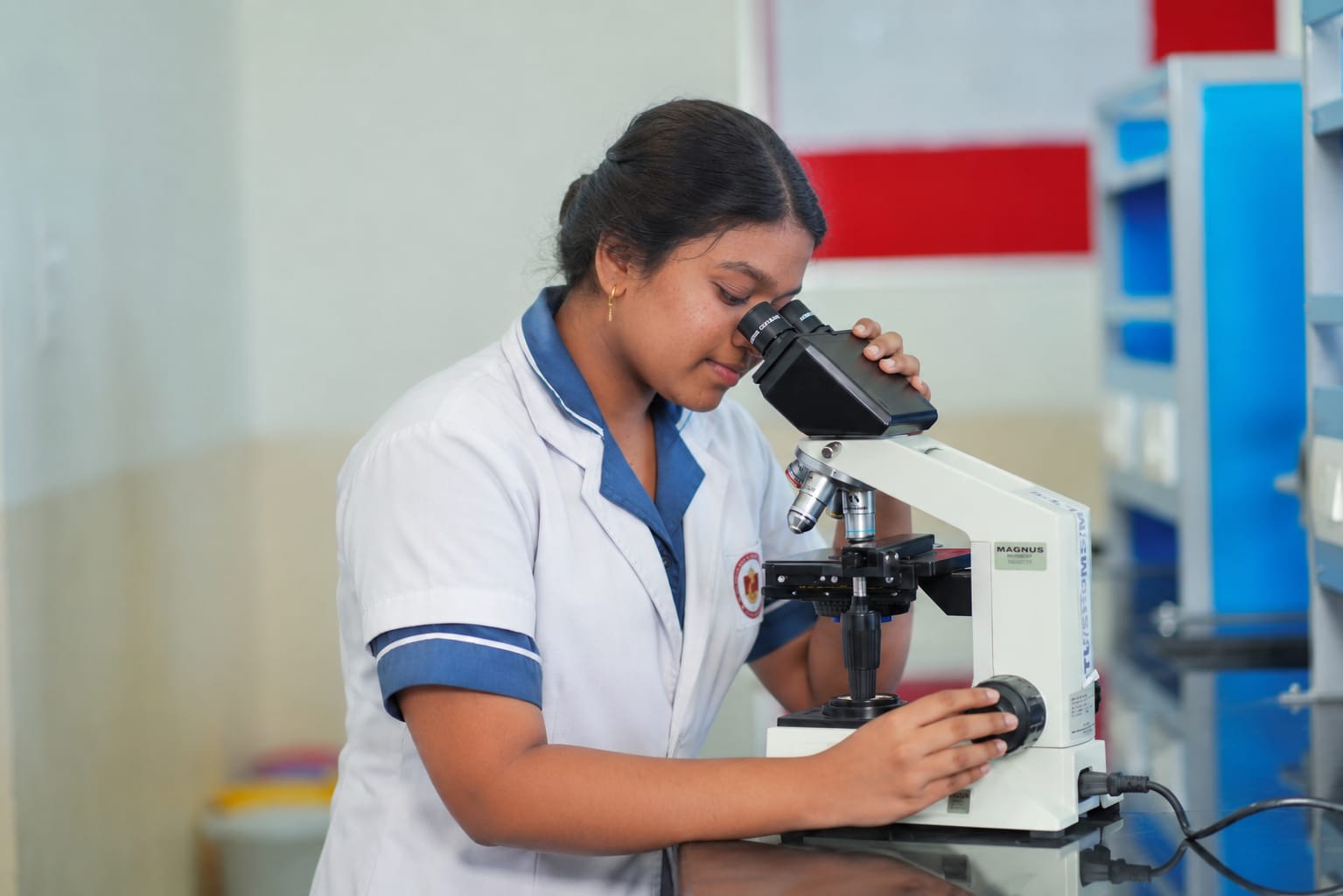
The Microbiology Laboratory receives samples from patients to identify organisms that are responsible for infection including bacteria, fungi and parasites. The laboratory workflow is handled by medical technologists specialized in microbiology and is staffed 24 hours per day
Testing performed by the Microbiology Laboratory includes:
- Culture of blood, cerebrospinal fluid (CSF), stool, tissue and other human samples for aerobic, anaerobic, mycobacterial and fastidious bacterial species as well as fungus.
- Direct staining for bacteria and fungi via Gram stain, Modified Acid Fast stain and immunofluorescence for Pneumocystis.
- Rapid detection of influenza, streptococcus, cryptococcus, Clostridium difficile, Giardia and Cryptosporidium.
- Examination of stool and other body fluids for ova and parasites.
- Molecular diagnostic testing for human immunodeficiency virus (HIV), hepatitis B virus (HBV), hepatitis C virus (HCV), influenza, respiratory syncytial virus (RSV), parainfluenza virus (1,2,3), Epstein-Barr virus (EBV), cytomegalovirus (CMV), BK virus, adenovirus, gonorrhea, chlamydia.
- Trichomonas and Clostridium difficile (C diff) confirmatory testing.
Pathology Lab
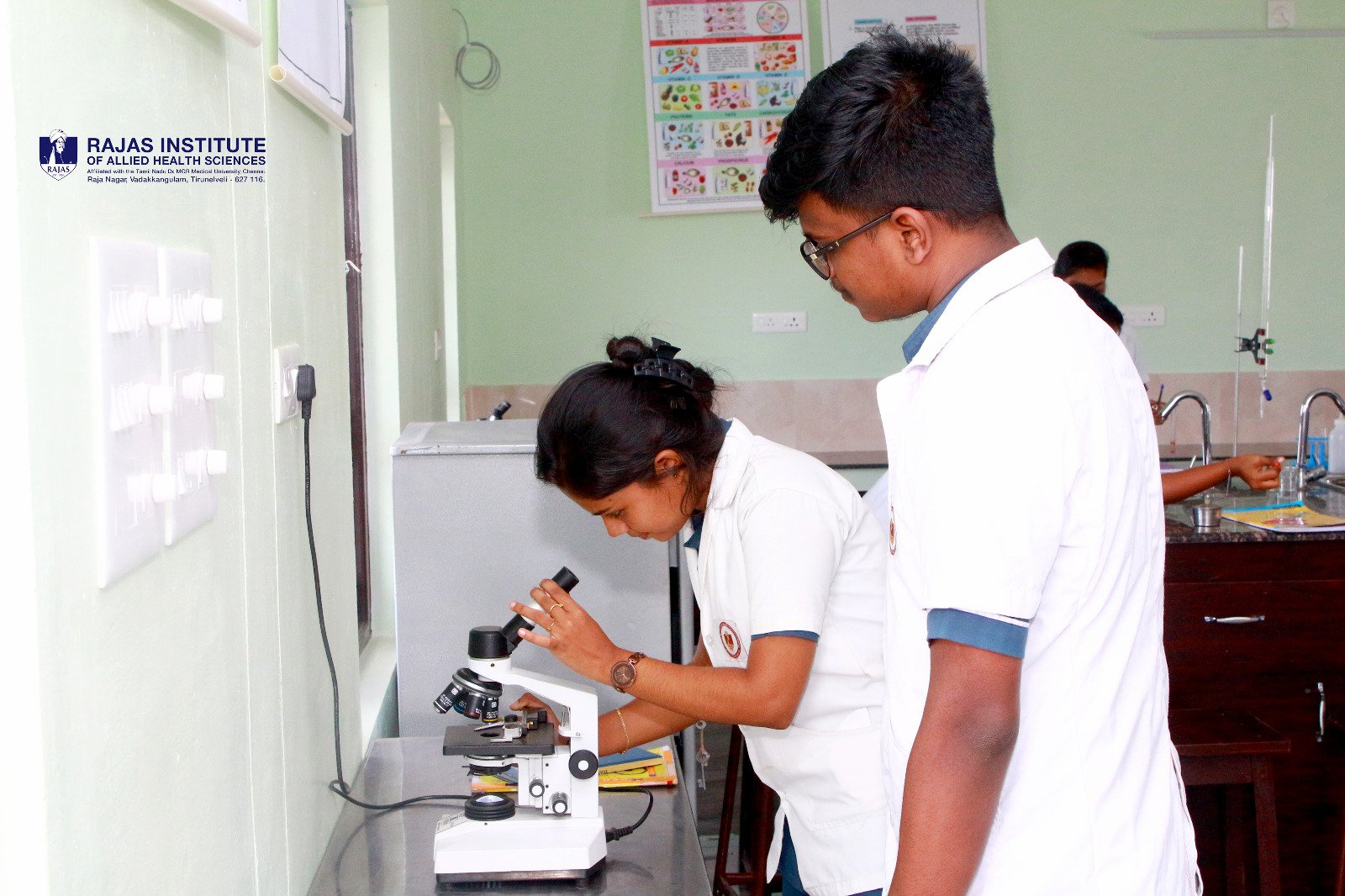
A Pathology Laboratory is a Laboratory. A Pathology Laboratory is a Laboratory where tests are carried out on clinical specimens to obtain information about the health of a PATIENT to aid in diagnosis, treatment, and prevention of disease. Pathology laboratory assures doctors that they are providing the right treatment option for the patients. Using clinical pathology techniques, it is possible to determine whether a patient has a specific disease type and to determine the best course of treatment for that illness.
The key benefits of pathology laboratory tests are:
- Helps to detect patient’s health- Pathology tests help to diagnose any health issues suffered by an individual. The reports help doctors to treat and overcome the health issues of an individual with the best treatment option available.
- Diagnosing the right health condition- It is often seen that many health problems are of similar symptoms, thus it becomes difficult to identify the right health condition of a patient. These pathology laboratory reports help the doctor to assess and provide the accurate treatment option for the patient.
- Tracking ongoing treatment- Identifying a health issue and starting therapy are only half the battle. Therefore, pathology tests help the doctor to understand the progress of a patient and check on the current condition. Additionally, it also helps the doctor to study the impact of the treatment on the patient’s body. This helps the doctor to know the changes required in the treatment process and also ensures the success of treatment.
- Home Tests- One of the best benefits of pathology laboratory tests is it gives relief to the patients as the experts can visit and collect all the samples required for the specific test. This type of service is best for those who want to save time and have multiple tests at the same time.
Anatomy Lab
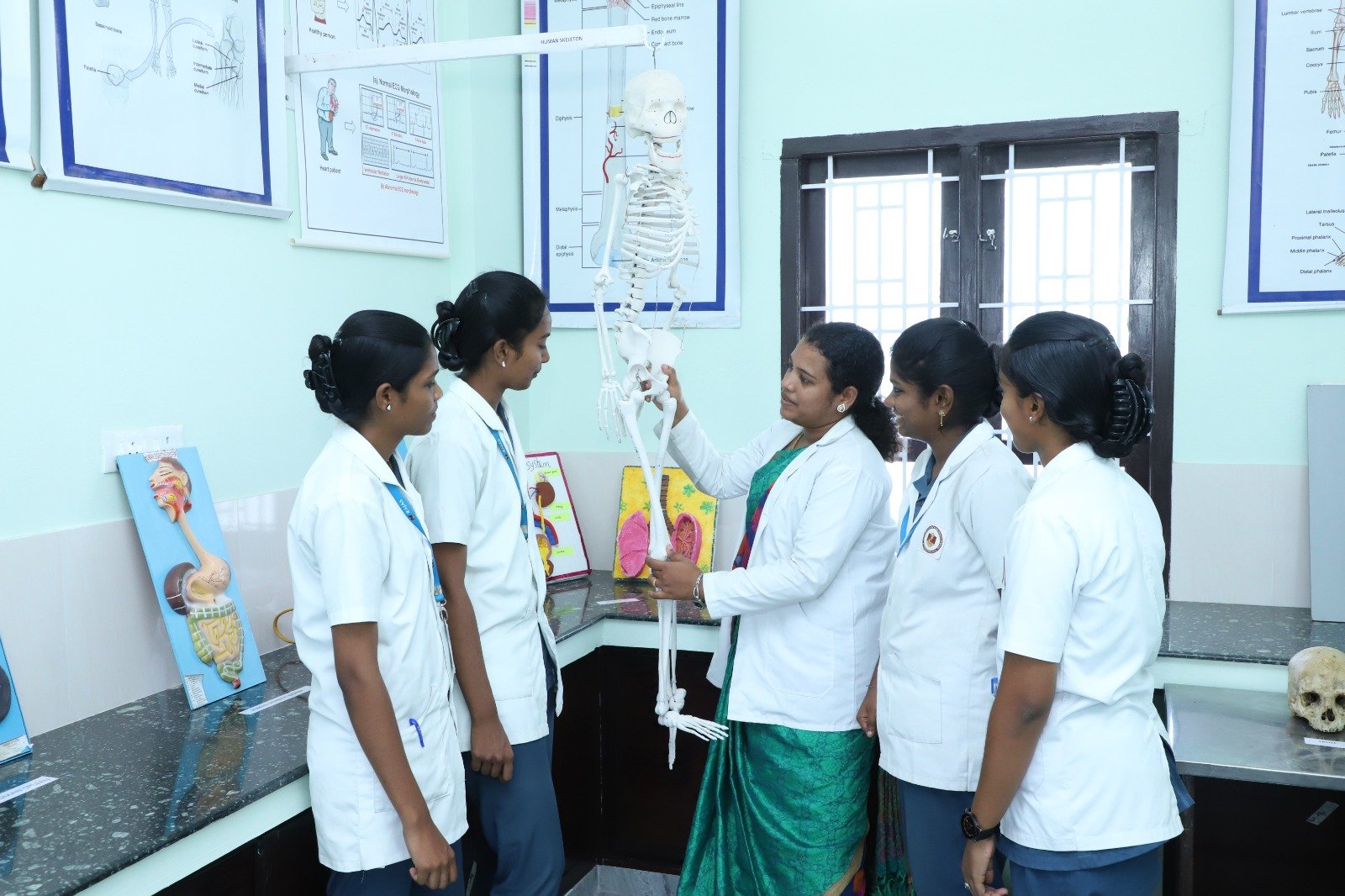
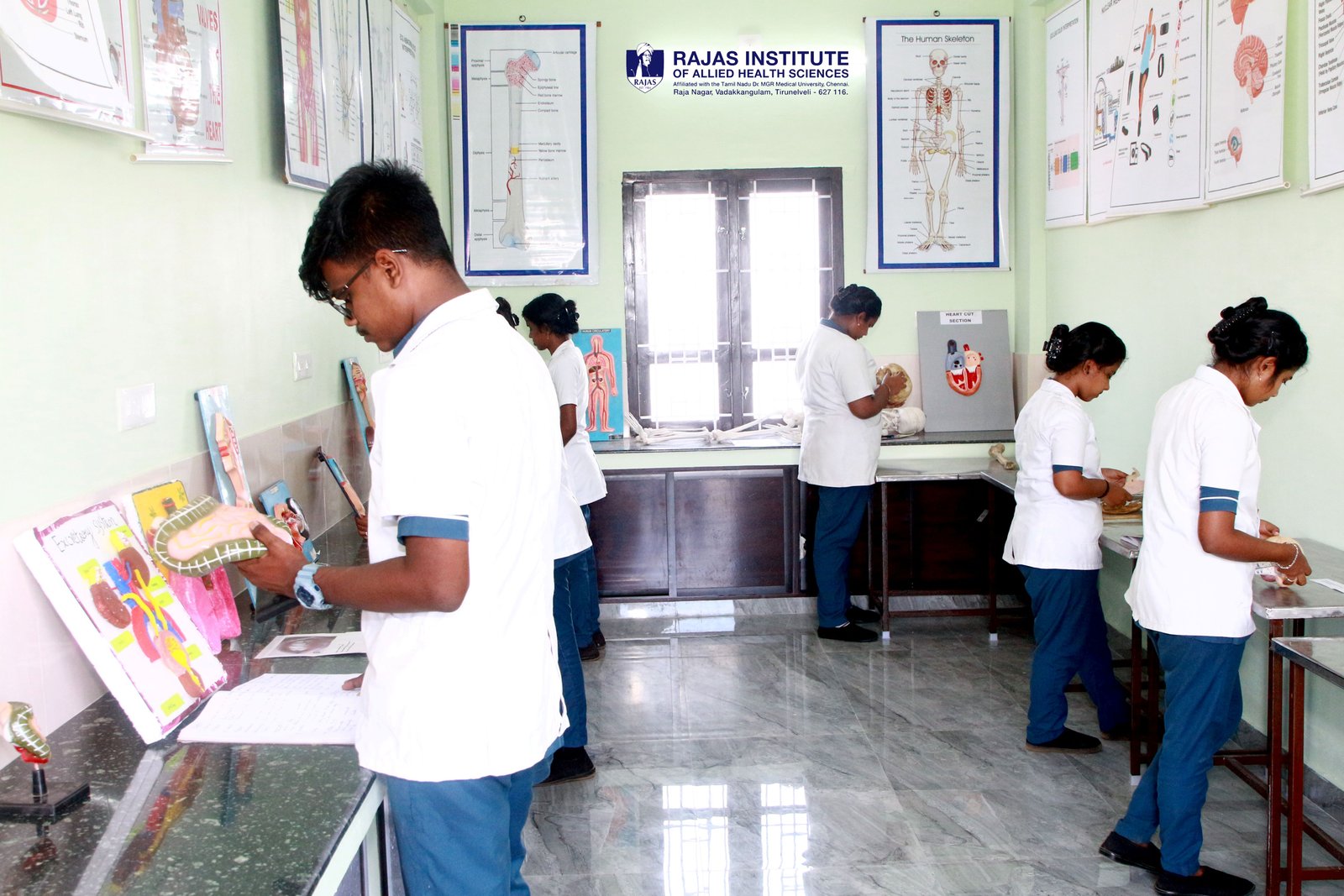
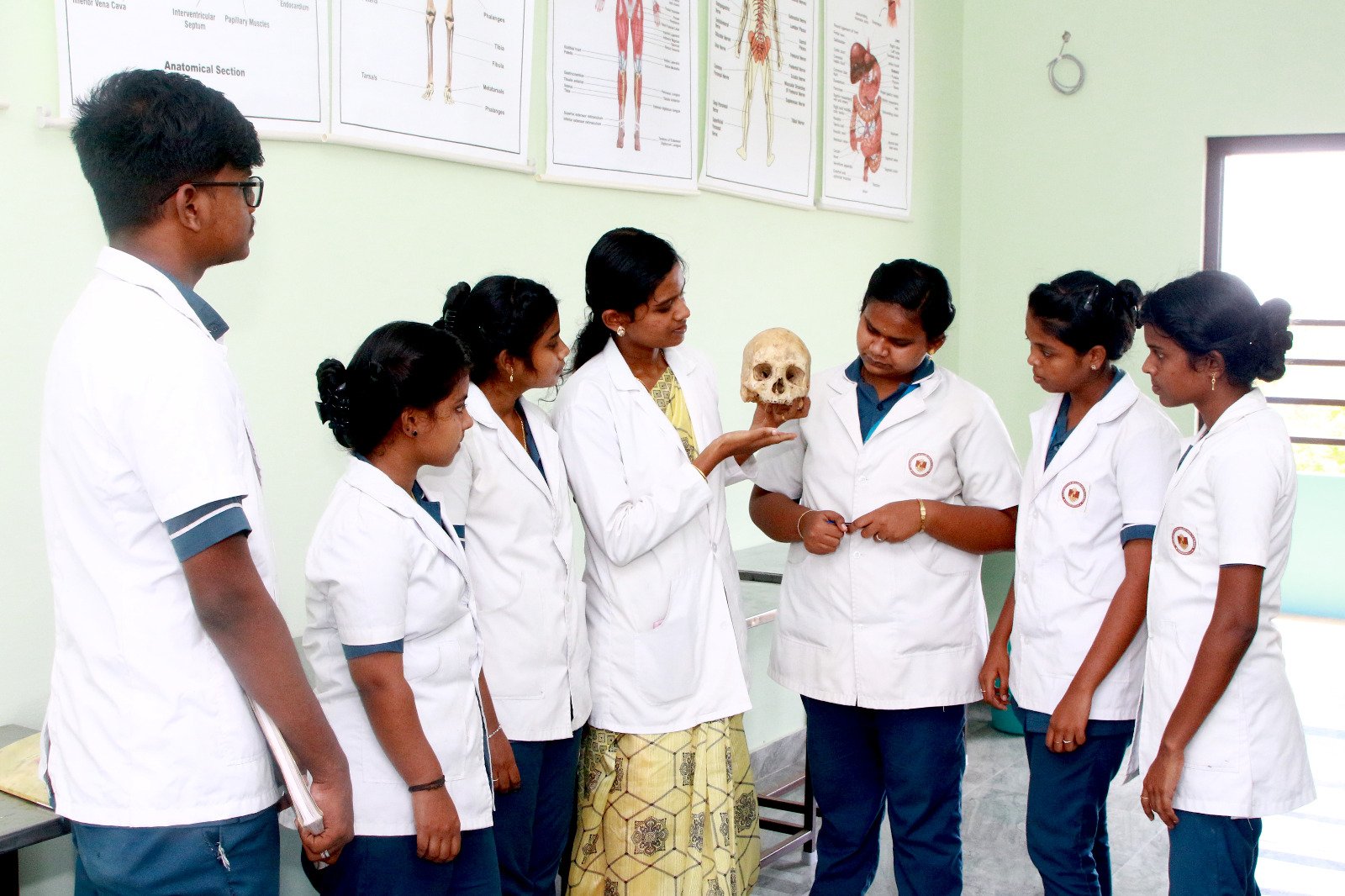
The anatomy lab is specially designed for Students to learn human anatomy through cadaver-based dissection. There you will work in teams to discover the complex anatomical relationships among muscles, nerves, vessels, and more. The labs create an immersive learning environment where students can deepen their understanding of human anatomy. As students explore each body system, they become familiar with how everything works together to create a human being.
Physiology Lab
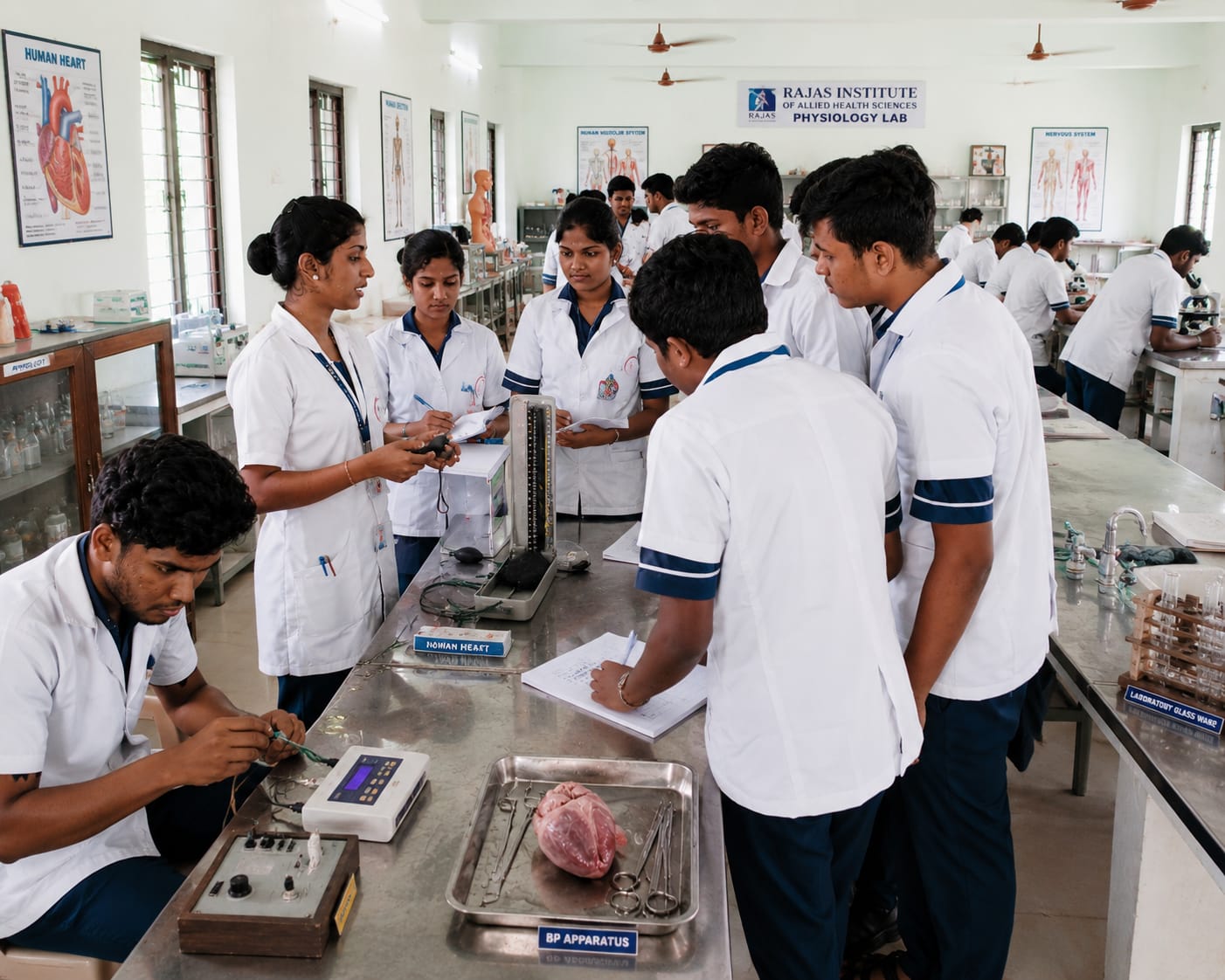
The Physiology Lab conducts human physiology experiments, pharmacokinetic studies, and protocol development. Equipment includes treadmills, metabolic carts, cardiac monitors, invasive and non-invasive physiological monitors, blood collection and processing tools, drug infusion pumps, and supplies for safety. Measure and analyze student EKGs, blood pressure, respiratory volume and reflexes. Study the fundamental concepts of human physiology—including reproductive, neural, muscular, cardiovascular, respiratory, renal, endocrine and sensory systems—using hands-on experiments and computer simulations.
Objectives of physiology lab?
- Demonstrate understanding of chemical and biological principles and knowledge that serve as the foundation for understanding human anatomy and physiolog.
- Understand and analyze cellular processes governing development, growth and normal function of the human body.
Biochemistry Lab
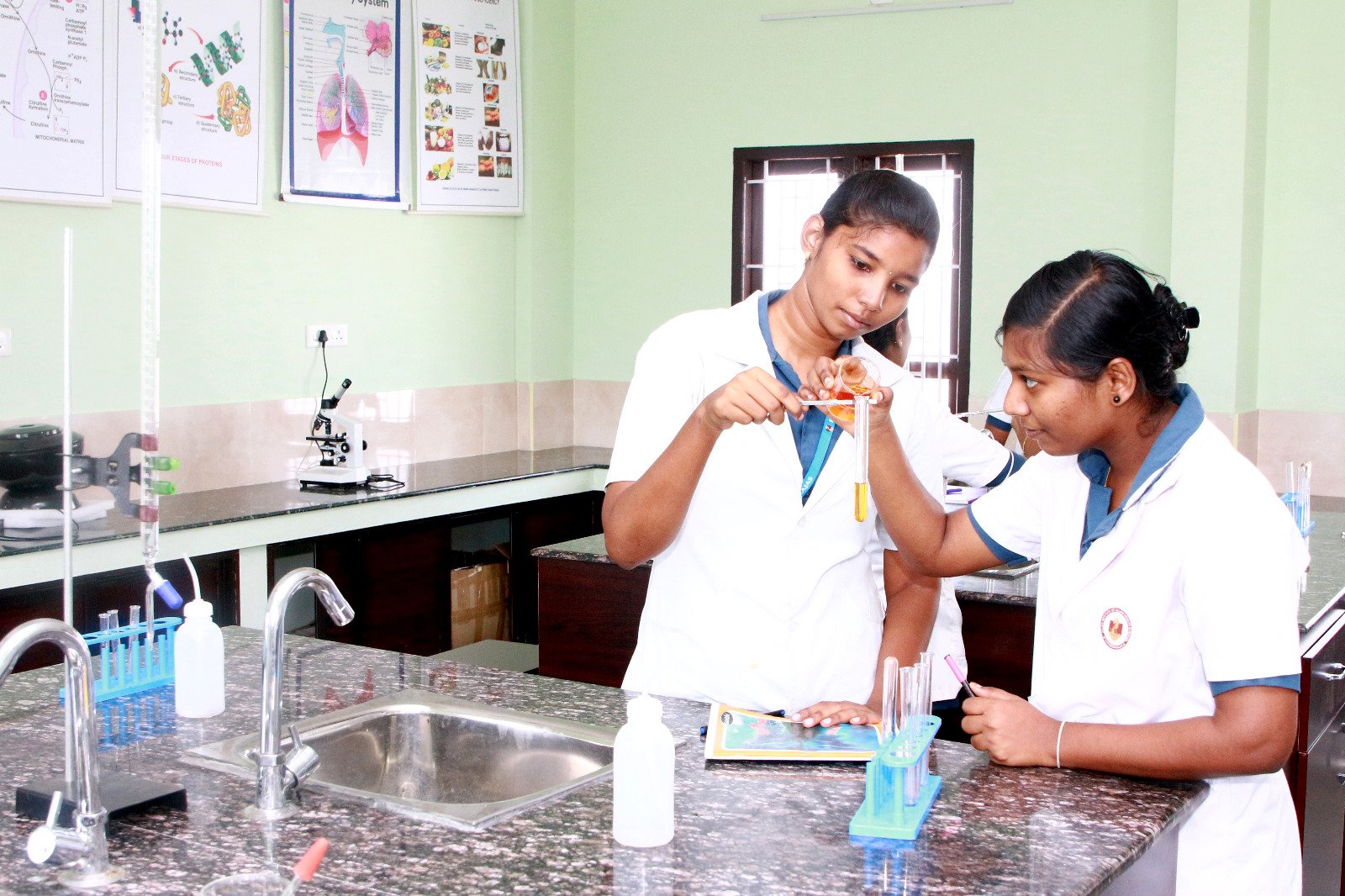
A biochemistry lab is a dedicated laboratory space for researching and studying biochemistry. This means that it must be equipped with durable lab furniture and equipment, plenty of working space, and secure storage areas.
What Happens in a Biochemistry Lab?
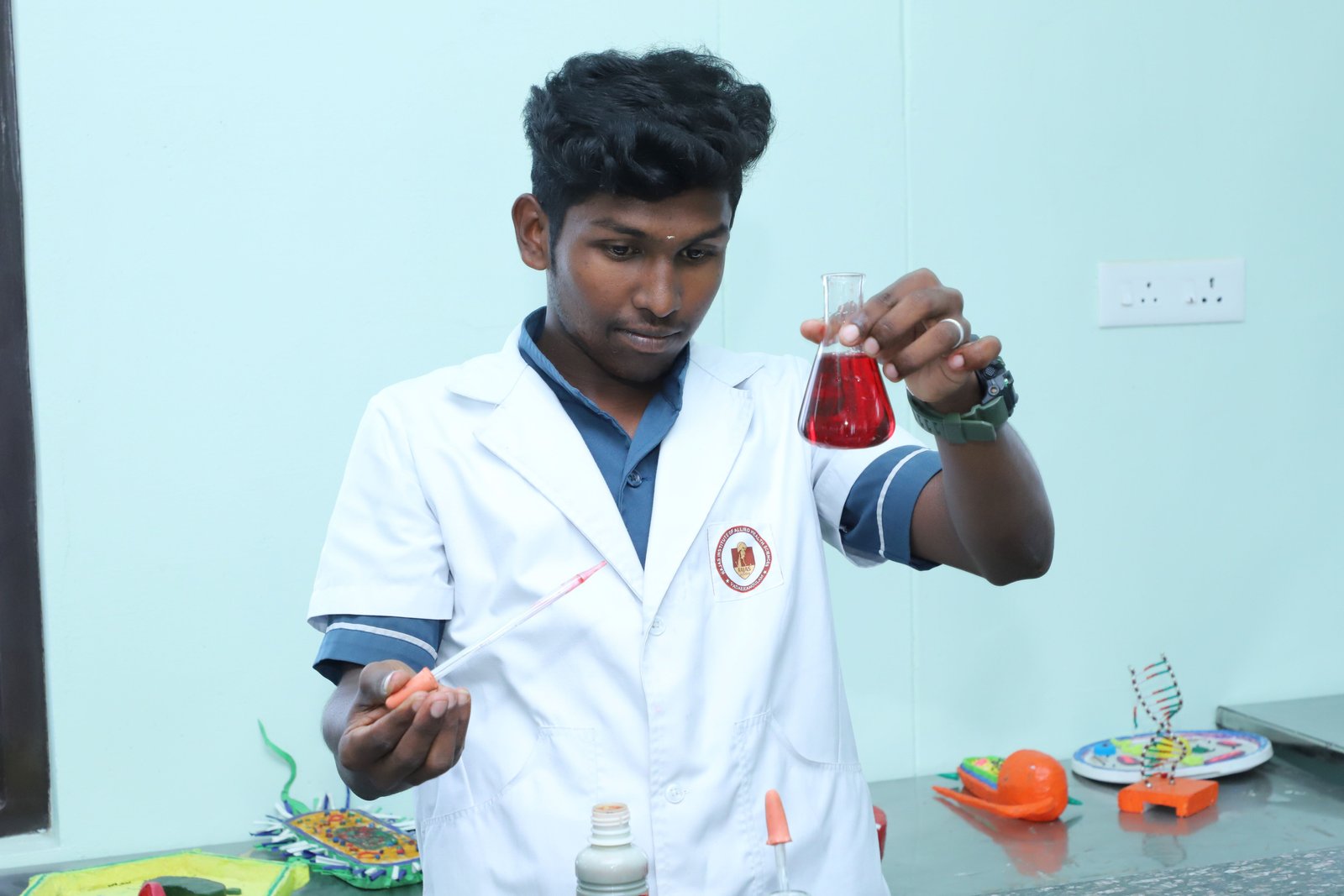
- Explore the fascinating world of cellular transport, enzyme reactions, genetic disorders, infectious disease control, molecular interactions, nutrition science, protein functions, and the power of DNA sequencing—all in one immersive journey through modern biology.
- Once completed, biochemical research is often utilized across many different scientific disciplines. In addition to the standard medical applications of biochemistry, the information gathered from this amazing area of study is also used in agriculture and environmental science.
- Outside of their experiments, biochemists also spend their time recording the results of their work. Compiling these results into useful peer-reviewed research reports is an essential part of a biochemist’s job.
Computer Lab
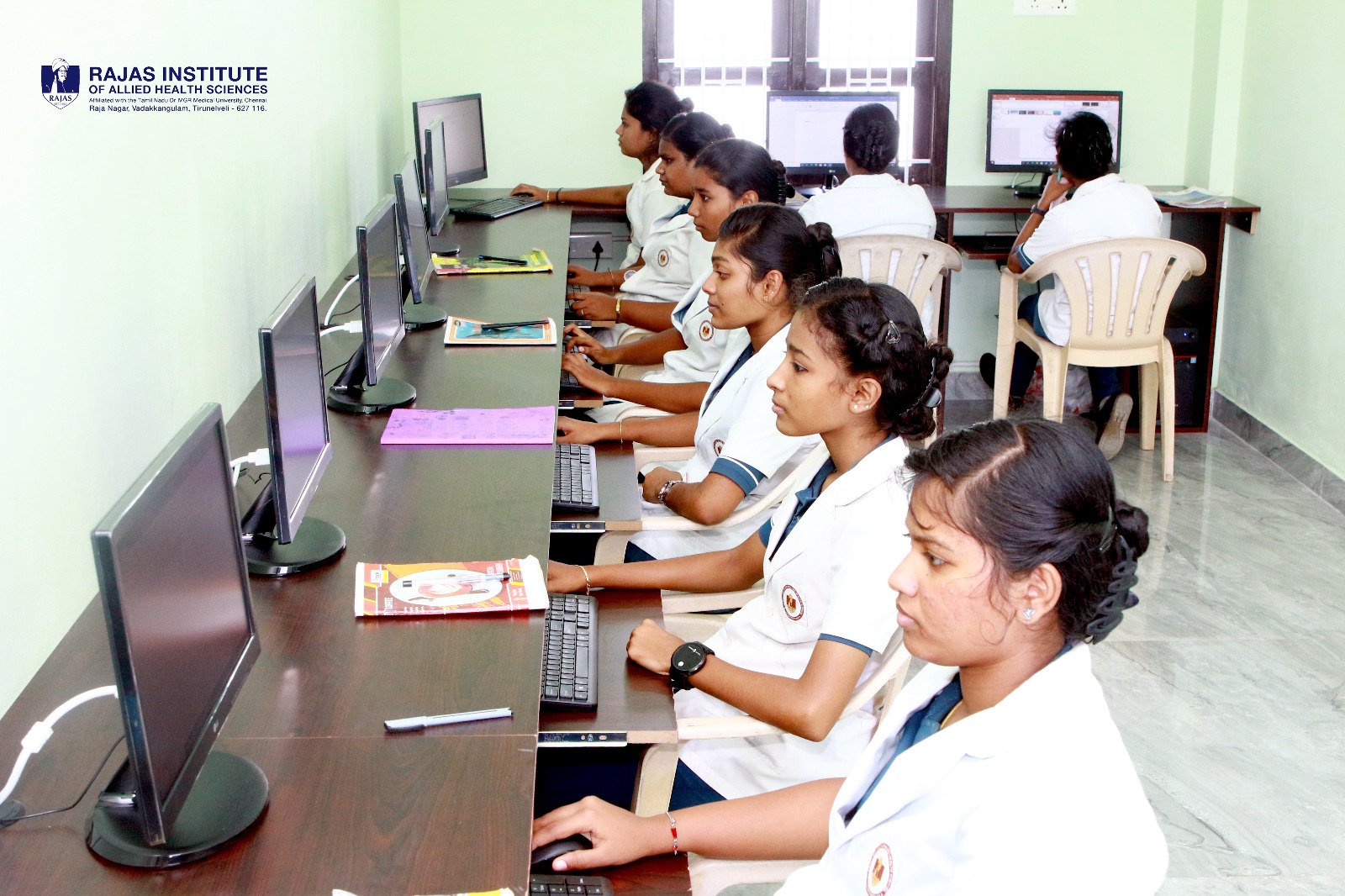
The Institute has Hi-Tech and fully equipped computer Labs which are fully Air-Conditioned. There are fully functioning Laboratories segregated department wise. Computer labs have several advantages for students. They provide the opportunity to modernize educational methods and enhance students’ learning experiences. Students can work with large data sets and real-world problems, which aids in their learning.
Skills Lab
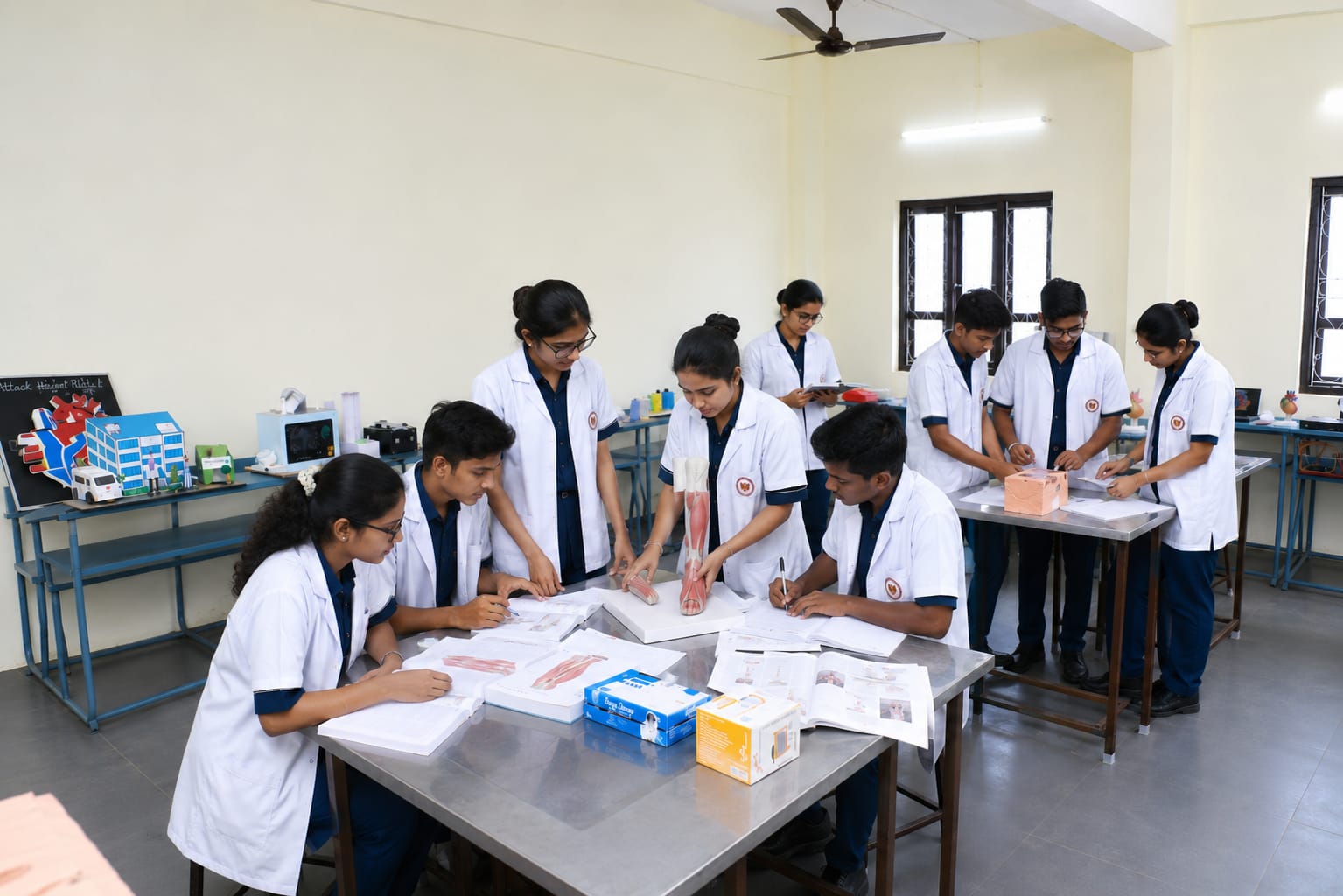
Skills lab, an abbreviation of skills laboratories, refers to specifically equipped practice rooms functioning as training facilities offering skill-based training for the practice of clinical skills prior to their real-life application. Skills Lab help to develop necessary clinical skills in medical undergraduate, post graduate students, paramedical and nursing students as per the competency requirement of the various courses. To develop resources, materials and course curricula required for various courses. Skills Lab allows learners to apply theoretical knowledge in a controlled environment, enhancing their understanding and proficiency. Skill development: Lab-based training focuses on skill development by allowing participants to practice tasks and techniques directly.